
Zetetic Philosophy: The Pursuit of Understanding
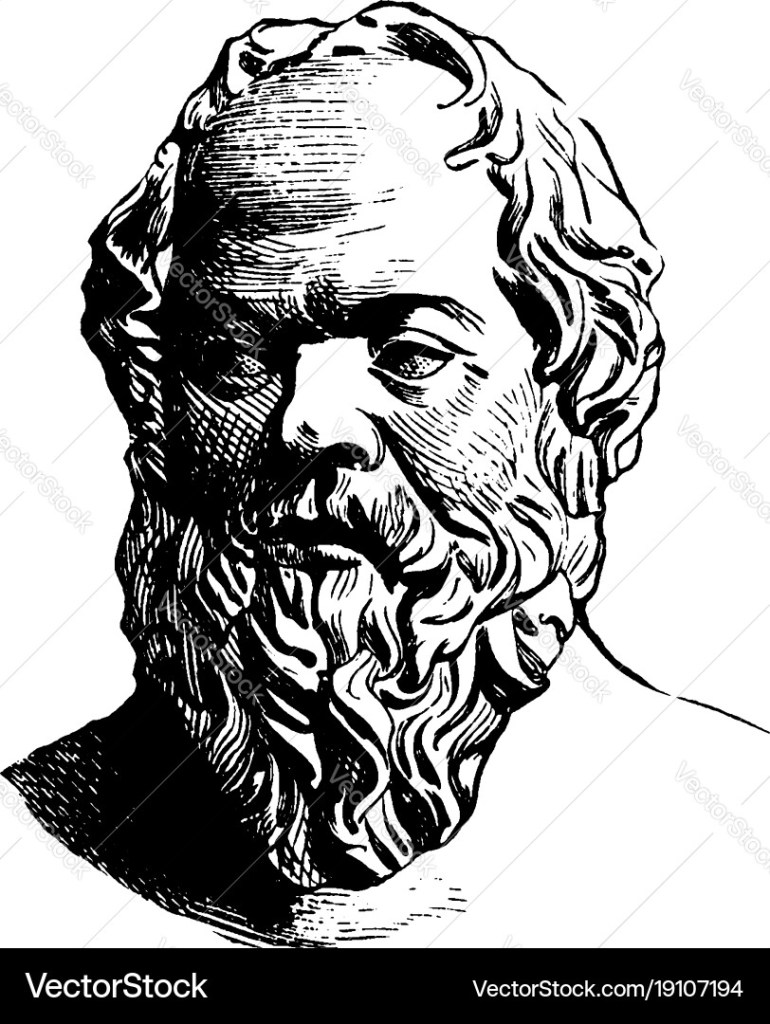
I recently read an article about the pursuit of understanding related to Zetetic Philosophy. The term “zetetic” is not a term we often hear or even use, and yet it is an important one. The term is derived from the Greek word “zeteo,” which means “to search or to examine.” Zetetic Philosophy emphasizes the importance of questions and investigation over relying on preconceived notions, facts and assumptions. This sounds familiar but what many do not realize is that most philosophy today begins at a culturally- accepted position, which is preconceived. The article suggested that we should view Socrates as a Zetetic Philosopher due in part to his detailed explanation in the Republic of the ideal type of formal education. This intrigued me, but education is not the reason I read this article; understanding is.
If you read the Republic (and I recommend that you do), you will encounter the philosopher-kings, Socrates ideal rulers. They are noble and intelligent known by their virtues who think through a certain praxis, thus the moniker philosopher-king. Socrates referred to their thinking process as the dialectic and presented it as a positive form of dialogue that incorporated “arguments in order to achieve a sure and true understanding of reality (Being).” The dialectic was a form Socrates used to test how and why things are the way they are. For Socrates, the dialectic was a method to achieve knowledge, of what he called the “Good-in-itself,” by distinguishing “the good” from everything else. Many see the dialectic as the Socratic Method. They are not one and the same but two different methods.
The Socratic Method differed from the dialectic, in part, due to the “method of questioning,” which expressed more ignorance than understanding, which seems odd and counter intuitive. Both processed through the antithesis to confirm what is true, but only the Socratic Method embraced uncertainty as a healthy part of the process. In the Socratic Method, the teacher must hold knowledge—know something and give account of that something known—to impart knowledge or lead others in obtaining knowledge. The teacher must master both the knowledge and the method of distribution of the knowledge to move past the stage of personal ignorance to lead others to understanding. This is not a weakness of the Socratic Method but a strength. Read any of Plato’s dialogues, you will find that Socrates was this type of teacher.
The author suggested that Socrates, as a teacher, had the following characteristics as a teacher: the desired results were met, he had the answers he sought from his students, his method unfolds in a “teleological” manner and his form of knowledge is different than the knowledge associated with the virtues he conceived. This is in stark contrast to Socrates numerous claims of ignorance, but this idea of ignorance is important or else he would not keep using it. In the Republic, Socrates denied several times that he was in possession of a certain kind of knowledge. He stated several times that he knew nothing. What is happening here? Is ignorance an important part of knowing?
Several authors have pointed out that Socrates sought to be a co-participant in the learning process with his students, even abjuring the moniker of “teacher” as too formal to achieve equal status with his students. Was ignorance a means of this equal status? This is, in some sense, Socrates maintaining a posture of seeking and yearning for wisdom in the same manner as his students. The author implored us not to fall for Socrates trying to present himself as a radical nihilist skeptic but to look deeper, deeper into this idea of understanding as it relates to ignorance. Seeing Socrates as a zetetic philosopher is “antithetic to the philosophical ideal of the philosopher-kings of the Republic who were to lead their city-state towards that which is good and true,” or at least that was their goal?
These philosopher-kings are referred to as echonic philosophers (traditional), and Socrates never claims to be their equal. This idea of echonic philosophy, which these kings are thought to possess, is found in Book VII of the Republic and represents authenticity and proper education which was supposed to provide the possessor of both an ability to grasp what it takes to rule. Yet, the author references Socrates as a zetetic philosopher, which is a philosopher who embraces a a philosophy that is ongoing, dynamic and critical in analysis. It is one with no real answers and instead seeks to continue to inquire. Its understanding is not found in Plato’s forms but grounded in humanity and its limits and finitude. This is an important point regarding the pursuit of understanding. It is a never-ending process that is always fluid, ongoing and never ending.
The author implies that we must learn from Socrates that real education is based on zetetic philosophy, as this is, according to Plato, a “turning around of the soul” back to itself in an enlightened state. This suggests something more about education and about understanding, especially if we look at the three moments referenced in the zetetic journey found in Plato’s Allegory of the Cave. First, there is liberation from bonds, then there is ascent upward to the light and finally there is the return to the cave. These three moments come together to fully express enlightenment or education and understanding. This idea of zetetic philosophy was thought to be that which avoided expecting absolute, irrefutable instances of truth, as if they did not exist.
The implication is that we must recognize our ignorance and our limitations as human beings first. This is where the pursuit of understanding begins. It does not begin within the knowledge itself, but within us, recognizing first our humanness and acknowledging second our limitations. Therefore, all pursuits of understanding, as hard as this may be to understand, seem to begin within us and not within the knowledge that we seek to understand. Is this the message of Socrates? Does this make sense? I am not sure, but it does force me to do one thing … think and that is always a good thing. Until next time …




 Bridge Roe: Where Thinking Matters